My blog has moved to a new home... go check it out!
www.erincagney.com
Thanks for visiting!
Monday, January 31, 2011

Thursday, January 27, 2011
Uganda's Homophobia - How to Cross the Line
Warning: I am about to release my opinions very candidly and bluntly, and it might offend you. Sorry. Actually, no...I'm not sorry at all.
I need to say before you read this that I love Uganda. The cultures, the people, and the beauty. But sometimes, I really dislike certain parts of the population, whom you will read about below. All of my comments are directed towards the ones that insist on carrying on with extreme homophobia that results in disgusting violence.
I haven't thought about this topic in a while... mainly because it really infuriates me and it challenges my anthropological instincts to stay neutral.
But this is ridiculous. CNN just reported that a Ugandan gay rights activist was bludgeoned to death in his own home. Watching this video fills me with sorrow and anger to know that this man is dead because of ignorance and intolerance. With such a close connection to Uganda and such a belief in the tolerance and appreciation for diversity, I have to say that this story is the last straw. I am truly embarrassed and ashamed for the people that committed this atrocious act and for their supporters.
While it may not seem like much, I am shocked at the courage of this man to speak to a Western news outlet about his sexuality and his fears for his safety. The Ugandan gay rights community has truly lost someone very special. If you've never read anything about gay rights in Uganda, there basically are none. Gayness is viewed as an abomination in what is a predominantly born-again Christian nation. Recently, laws inspired by right wing American groups have been tabled in the Ugandan Parliament. These laws call for the execution of "repeat" offenders, meaning anyone who has been accused of being homosexual on more than one occasion or even someone who fails to tattle on their possibly homosexual neighbor or friend. I should mention that a homosexual could face imprisonment for up to 14 years under the current anti-homosexuality law.
Here's a link to an article from Human Rights Watch in 2009 when the bill was making the news quite frequently.
From my experience in Uganda, I know that even those who feel that executing homosexuals is extreme have little tolerance for what they deem to be unnecessary differentiation from other Ugandans. If you read the comments below the article I linked to above, you'll see that some people said it was his fault because he managed to land himself on the "top homosexuals" list, which obviously means he wasn't being discrete enough about his sexuality. Why should he have to be? I've been able to observe that, for the most part, Uganda can be a place of conformity and keeping your opinions to yourself, especially where politics are concerned. But when it comes to homosexuality, there is no holding back when it comes to spewing pure hatred.
Some Ugandans stand by this policy as an assertion of their cultural rights and as a middle finger to Western intervention, which is ironic because Uganda has long been in the back pocket of the United States. What really baffles me, is that this man was killed in the name of Christianity and the belief that homosexuality is an offense to to God. Is cold-blooded murder not offensive? Do these people think God will reward them for so violently killing a man who did them no harm? Also ironic is that the Uganda Christian identity formed from colonization by the British. Additionally, the British established the original anti-homosexuality law in Uganda a long time ago, presumably because homosexuality was already present. This history tells us that homosexuality has always been in Uganda, and that the law against it came with Western intervention. This is the exact opposite of everything that the bill's supporters currently claim. They say that homosexuality was introduced (and is still being introduced) by Westerners and that the law needs to be tougher in order to rid the nation of this "embarrassing" portion of the population.
All I can say is that to the rest of the world, this plays out like ignorance, misguided education, and dangerous Christian fundamentalism that takes us back to Old Testament times.
If these people are attempting to assert their "Ugandanness", I think it is a hugely misplaced topic with which to establish an identity, not to mention a false identity. For my Ugandan friends who might read this, I implore you to open your heart and your mind and allow people to live as they wish to live. Whether you agree with it or not, homosexuality has absolutely no affect on how you conduct your life unless you want it to, and this can be positive or negative. Please choose to accept your homosexual friends with kindness and openness because they will need the support if popular opinion in Uganda continues in this direction.
I need to say before you read this that I love Uganda. The cultures, the people, and the beauty. But sometimes, I really dislike certain parts of the population, whom you will read about below. All of my comments are directed towards the ones that insist on carrying on with extreme homophobia that results in disgusting violence.
I haven't thought about this topic in a while... mainly because it really infuriates me and it challenges my anthropological instincts to stay neutral.
But this is ridiculous. CNN just reported that a Ugandan gay rights activist was bludgeoned to death in his own home. Watching this video fills me with sorrow and anger to know that this man is dead because of ignorance and intolerance. With such a close connection to Uganda and such a belief in the tolerance and appreciation for diversity, I have to say that this story is the last straw. I am truly embarrassed and ashamed for the people that committed this atrocious act and for their supporters.
While it may not seem like much, I am shocked at the courage of this man to speak to a Western news outlet about his sexuality and his fears for his safety. The Ugandan gay rights community has truly lost someone very special. If you've never read anything about gay rights in Uganda, there basically are none. Gayness is viewed as an abomination in what is a predominantly born-again Christian nation. Recently, laws inspired by right wing American groups have been tabled in the Ugandan Parliament. These laws call for the execution of "repeat" offenders, meaning anyone who has been accused of being homosexual on more than one occasion or even someone who fails to tattle on their possibly homosexual neighbor or friend. I should mention that a homosexual could face imprisonment for up to 14 years under the current anti-homosexuality law.
Here's a link to an article from Human Rights Watch in 2009 when the bill was making the news quite frequently.
From my experience in Uganda, I know that even those who feel that executing homosexuals is extreme have little tolerance for what they deem to be unnecessary differentiation from other Ugandans. If you read the comments below the article I linked to above, you'll see that some people said it was his fault because he managed to land himself on the "top homosexuals" list, which obviously means he wasn't being discrete enough about his sexuality. Why should he have to be? I've been able to observe that, for the most part, Uganda can be a place of conformity and keeping your opinions to yourself, especially where politics are concerned. But when it comes to homosexuality, there is no holding back when it comes to spewing pure hatred.
Some Ugandans stand by this policy as an assertion of their cultural rights and as a middle finger to Western intervention, which is ironic because Uganda has long been in the back pocket of the United States. What really baffles me, is that this man was killed in the name of Christianity and the belief that homosexuality is an offense to to God. Is cold-blooded murder not offensive? Do these people think God will reward them for so violently killing a man who did them no harm? Also ironic is that the Uganda Christian identity formed from colonization by the British. Additionally, the British established the original anti-homosexuality law in Uganda a long time ago, presumably because homosexuality was already present. This history tells us that homosexuality has always been in Uganda, and that the law against it came with Western intervention. This is the exact opposite of everything that the bill's supporters currently claim. They say that homosexuality was introduced (and is still being introduced) by Westerners and that the law needs to be tougher in order to rid the nation of this "embarrassing" portion of the population.
All I can say is that to the rest of the world, this plays out like ignorance, misguided education, and dangerous Christian fundamentalism that takes us back to Old Testament times.
If these people are attempting to assert their "Ugandanness", I think it is a hugely misplaced topic with which to establish an identity, not to mention a false identity. For my Ugandan friends who might read this, I implore you to open your heart and your mind and allow people to live as they wish to live. Whether you agree with it or not, homosexuality has absolutely no affect on how you conduct your life unless you want it to, and this can be positive or negative. Please choose to accept your homosexual friends with kindness and openness because they will need the support if popular opinion in Uganda continues in this direction.
Sunday, January 16, 2011
How do you keep up with the news?
Like I said in my last blog, I like to keep up with the news, particularly African news. I don't know how many of you like reading the news or like being in the know on world issues, but for those of you that do... do you ever find the constant stream of information overwhelming? You can study up on one issue and then the next day it changes or the next day something else happens. Should you be somewhat aware of a broad range of issues or highly knowledgeable about just a few issues? Or a little bit of both?
Here's a little overview of what I'm trying to keep track of right now, on top of remembering that yes, I am still a student with homework and yes, I could be working on writing my thesis at any given moment of the day rather than what I have chosen to do with my time - like eat, sleep, watch season 6 of Lost or... write this blog.
Uganda: Obviously, I read Ugandan news every day. Recently, it's been about little else other than the upcoming February elections. I'll probably write a more in-depth post on this topic soon, but it seems that Ugandan news outlets are writing about what the rest of the world expects or hopes to happen and not what really is happening.
For instance, this article was posted today: Police arm heavily ahead of elections
It covers a few different issues, namely the fear that there will be violence no matter which way the election goes, whether or not the opposition has a chance (which opposition, you might ask), and the preparedness of the police and army. Of course, I think people should be prepared for anything, but now everyone just expects violence. Maybe I'm looking too much into the supposed group psychology of the issue, but it seems like expecting violence will only encourage it.
Sudan: It would be foolish to not keep up to date with Sudan right now. After all, after the referendum vote, South Sudan could be the world's newest country (and it looks like it will be). It will probably also be the world's weakest country, but we'll have to wait to see how that pans out. This referendum is a huge achievement for this much-troubled nation that has been engaged in conflict for decades. It's also a benchmark for the rest of Africa - Southern Sudanese are democratically electing to change their border to something that makes sense for the geographical and cultural area, rather than what colonizers laid out decades ago. What if every conflicted African nation could redraw their borders this way? Would it help to alleviate some problems? Or does it simply create new ones? Also, it's not like it was an easy road to come to this point, and most Sudanese would have rather had peace all along rather than a secession vote.
Here's the latest on the referendum vote: UN Secretary-General announces the end of the polling period
Also, the underreported Northern Sudanese side. Many are genuinely concerned that the country is falling apart, not just for the oil, but for the well-being of South Sudanese.
Cote d'Ivoire: This place has definitely been interesting lately. November elections ousted the former President Gbagbo and elected Ouatarra.... or at least they were supposed to. When Ouatarra was announced the winner, Gbagbo decided he actually wasn't ready to step down. Both men have large armies at their backs, the only difference being that Ouatarra also has the international community on his side, along with a few thousand UN peacekeepers. The situation has been worsening, and Gbagbo has refused to give up, despite several sanctions placed upon him and his supporters. It is feared that this will erupt into a civil war, which would further devastate a country healing from a conflict in 2002, not to mention the refugee situation that the tension and fear of war along with early violence is creating.
There are so many aspects to this situation, it would take another blog to unravel, but here's the latest: Ouatarra aims to close 'financial windows'
Tunisia: Last, but not least, Tunisia seems to have had a revolution, French style. I'm not so up to date on this one as I would like to be, but I do know that the people scared the president into fleeing into Saudi Arabia. Pretty interesting situation to keep up with on the BBC website.
So you see, those are only tiny little blurbs, but it's SO much information to keep up with. And to really understand what's happening now, you need to understand at least a little bit of the history of the situation. Out of context, these are simply elections and coups, but it takes a good historical background to understand the ramifications of these actions. So how do you keep up with the news around the world and keep up with your own life?
Here's a little overview of what I'm trying to keep track of right now, on top of remembering that yes, I am still a student with homework and yes, I could be working on writing my thesis at any given moment of the day rather than what I have chosen to do with my time - like eat, sleep, watch season 6 of Lost or... write this blog.
Uganda: Obviously, I read Ugandan news every day. Recently, it's been about little else other than the upcoming February elections. I'll probably write a more in-depth post on this topic soon, but it seems that Ugandan news outlets are writing about what the rest of the world expects or hopes to happen and not what really is happening.
For instance, this article was posted today: Police arm heavily ahead of elections
It covers a few different issues, namely the fear that there will be violence no matter which way the election goes, whether or not the opposition has a chance (which opposition, you might ask), and the preparedness of the police and army. Of course, I think people should be prepared for anything, but now everyone just expects violence. Maybe I'm looking too much into the supposed group psychology of the issue, but it seems like expecting violence will only encourage it.
Sudan: It would be foolish to not keep up to date with Sudan right now. After all, after the referendum vote, South Sudan could be the world's newest country (and it looks like it will be). It will probably also be the world's weakest country, but we'll have to wait to see how that pans out. This referendum is a huge achievement for this much-troubled nation that has been engaged in conflict for decades. It's also a benchmark for the rest of Africa - Southern Sudanese are democratically electing to change their border to something that makes sense for the geographical and cultural area, rather than what colonizers laid out decades ago. What if every conflicted African nation could redraw their borders this way? Would it help to alleviate some problems? Or does it simply create new ones? Also, it's not like it was an easy road to come to this point, and most Sudanese would have rather had peace all along rather than a secession vote.
Here's the latest on the referendum vote: UN Secretary-General announces the end of the polling period
Also, the underreported Northern Sudanese side. Many are genuinely concerned that the country is falling apart, not just for the oil, but for the well-being of South Sudanese.
Cote d'Ivoire: This place has definitely been interesting lately. November elections ousted the former President Gbagbo and elected Ouatarra.... or at least they were supposed to. When Ouatarra was announced the winner, Gbagbo decided he actually wasn't ready to step down. Both men have large armies at their backs, the only difference being that Ouatarra also has the international community on his side, along with a few thousand UN peacekeepers. The situation has been worsening, and Gbagbo has refused to give up, despite several sanctions placed upon him and his supporters. It is feared that this will erupt into a civil war, which would further devastate a country healing from a conflict in 2002, not to mention the refugee situation that the tension and fear of war along with early violence is creating.
There are so many aspects to this situation, it would take another blog to unravel, but here's the latest: Ouatarra aims to close 'financial windows'
Tunisia: Last, but not least, Tunisia seems to have had a revolution, French style. I'm not so up to date on this one as I would like to be, but I do know that the people scared the president into fleeing into Saudi Arabia. Pretty interesting situation to keep up with on the BBC website.
So you see, those are only tiny little blurbs, but it's SO much information to keep up with. And to really understand what's happening now, you need to understand at least a little bit of the history of the situation. Out of context, these are simply elections and coups, but it takes a good historical background to understand the ramifications of these actions. So how do you keep up with the news around the world and keep up with your own life?
Thursday, January 13, 2011
Blogs of Transition
The only times I've ever written a blog have been when I was in Uganda. But why? Is my life in Tennessee not interesting enough to write about? I hope not. If it is, then I need to get out of here fast! Seriously though, I like sharing my observations about the world, so I decided to start blogging this semester - my last semester at the University of Tennessee. I felt like I needed a theme for this new direction with my blog, but a few suggestions from friends convinced me to keep it simple and just write about my life, which is pretty much a theme in itself. It also allows me to write about anything I want. There's also a fun surprise coming up with this blog that you'll just have to wait to see!
If you're new, here's a little about myself. I'm graduating with honors in May with a Bachelor's degree in Anthropology. I'm writing a thesis from my original research on cultural revival programs in northern Uganda, a post-conflict zone I have worked and lived in and a place where I have left a piece of myself. I'm running a project turning Acholi folk tales into cartoons, even though I'm a continent away from my team. I'm constantly reading news and other blogs about Africa in general, Uganda in particular, and other topics when it strikes my fancy. I'm a fan of Conan O'Brien, and I enjoy watching Grey's and Private Practice every week along with Glee. Feel free to judge me for my taste in television series. I don't know what I'm doing for grad school, but I'm interested in development, aid, human rights, anthropology, politics, and a wide range of similar topics, all of which tend to overlap. Before this starts to sound too much like a singles ad, I'll stop. I'm just letting you know all of this because I might be writing on any range of these topics in my blog. Plus, this could be a really fun time to follow along while I graduate and try to land myself a big girl job.
Did I mention that I'm moving to Uganda in July? Yeah... I'll be writing about that, too.
So, for my first blog entry, I've decided to write about a gem of a new tv show on ABC (note: sarcasm) called "Off the Map." Due to my aforementioned Grey's and Private Practice faithfulness, I was watching tv one night when I saw a commercial for this particular show. It's no doubt riding on the ever popular and romantic idea of Americans wandering into the deepest darkest jungles and saving the locals with technology and medicine. In fact, the show is pretty much built on this idea.
Now I know it's not like Grey's or Private Practice are particularly realistic, and they definitely romanticize the profession, so why should I be upset about Off the Map right? That's because there is a critical difference between the shows: Off the Map bases its storyline on the exploitation of a stereotype of poor third world people that need to be saved by the white man - a stereotype that often has serious implications in aid and development programs around the world. Mostly I'm talking about how this kind of image is used by countless organizations and NGOs to talk the money right out of your pocket and into their fund to save the starving children, whose images they used to lure you in. Some of you might wonder why this is a problem. If they're using badvocacy, but they get money, that's okay right? No, really it's not. But that's a long explanation that I'll try to get into in a later entry. For now I'll just say it's exploitation, and the means do not justify the ends.
For now, I want to get into discussing the highlights of this first episode a little bit.
Let's start with the title - "Saved by the Great White Hope." Now, I'm coming into this a little defensively, so I'll admit I was on edge from the get go. All kinds of horrible things were running through my mind about what exactly this "great white hope" might be. First, I imagined a scenario where some unnamed indigenous native is saved by a white doctor, thus he is the great white hope. Then I imagined they might talk about some local myth that the white doctor fulfills. Then I thought maybe it could be referring to a geographical land mark. Finally, my question was answered. The "great white hope" is actually a reference made by the latina doctor who has a scornful attitude towards Americans in general. She says this upon meeting an American doctor who professed her desire for helping. I'm glad it wasn't any of the options I had imagined, but what exactly is "the great white hope"? Is this some kind of reference to the Americans' need to play savior? Or is this saying that even though the new doctors were naive, their naivety helped to get them through the day?
The show opens up with a view of a beautiful, exotic jungle area. Then it says "Somewhere in South America." Okay. So... somewhere in South America? That's a whole continent, right? We can see that the locals speak Spanish, and they have a beach which obviously means they live on the coast. That pretty much means they could be anywhere in Venezuela, Colombia, Ecuador, Peru, Chile, Argentina, or Uruguay. Maybe we'll get some more clues as it goes along. If we do, perhaps we can use process of elimination to figure out where exactly they might be.
Now let's tackle the idea that they are in the only medical center for 200 miles. Maybe I'm just not up to date on my South America facts, but I know that in Uganda at least rudimentary clinics are fairly common, so I find it hard to believe that they are the ONLY clinic in such a large area. Then, let's look at how all of the doctors are American, except for our single latina woman. And none of them know how to speak Spanish. And they have one 10 year old translator? I mean, is this plausible? I assume there are some pretty remote clinics out there, but do organizations really throw doctors out there who have no language or culture training at all?
I admit, the show did a much better job of avoiding bad images of its indigenous people than I thought it would, but that could be because a good portion of their featured patients were tourists. If they can stick with focusing on the doctors and the tourists, they might be able to avoid offending too many people. If you're not into the whole developing world scene then you will probably find this show very enjoyable. As far as entertainment goes, it definitely met the goals. As far as realism goes, it misses the mark for me. I know, I know - it's a tv show, and I'm taking it too seriously. I guess Off the Map just wasn't made for me. I'd like to watch next week to see if it gets any better. I really can't explain why it is that its inaccuracy rubs me the wrong way. Maybe I just need to lighten up and enjoy the entertainment, but I don't think I can really become a respectable fan of this particular show. Feel free to share your opinion!
Friday, July 30, 2010
A Modest Attempt at Summarizing My Time in Gulu
I know I haven’t exactly been a saint at keeping up with my blog, but still I felt the need to write a final entry to attempt to sum up my time here (even though that would be impossible). I hate reading sappy blogs about how much you loved the sunset and the people and the kids and how much you hate to be leaving and can’t wait to return. And I hate writing blogs like that even more. As much as that may be true, does anyone really want to read your sentimental mess? So... I’ll condense my sappiness into a list. Yes, it gets a little cheesy in the “Things I won’t forget” section, but allow me a little cheese, please. You’ll see I’ve compiled three lists: things I learned, things I won’t forget, and things I want to forget. I’m not going to sugar coat it and pretend that every day on this trip was the best day of my life. So you get to hear about some of the bad days, too. But I hope you’ll notice that “things I learned” and “things I won’t forget” far outnumber the list of “things I want to forget.”
Things I learned
• How to strategically walk through the dry mud after a rain shower
• How to successfully hail a boda and get the right price
• How to speak a little bit of Luo
• The grueling process of getting funding for your project
• The grueling process of transcribing interviews
• How to conduct an interview
• How to cook chapati, greens with eggs, cabbage, and stewed chicken
• How to clean like an Acholi woman (still not good at it, though, so don’t worry)
• If you want to go somewhere in Kampala that’s only 11 km away, plan for 2 hours of travel time
• How to plan my day around the impending rain showers
• I love roasted pork. I just love it.
• The appropriate times to use “Apwoyo,” “Apwoyo-ba,” and “Apwoyo-rii ba”
• Most cats here are NOT nice and neither are the dogs
• How to kill a chicken
• It is not easy to find a house in Gulu, and once you do you’ll probably have children peeping in your windows in your new neighborhood
• Publishing a comic book is difficult... until you remember the resources at your disposal and send out a mass email
• When you’re putting on a concert for a fundraiser (FUNDRAISER), you still have to let in all the artists and their buddies for free
• The proper channels of bureaucracy at Gulu University and what happens when you don’t follow the bureaucratic rules
• I am addicted to Coca-Cola
• Self-directed research is not easy, and it’s even intimidating at times
• How to convert meters into feet, kilometers into miles, liters into cups, etc.
Things I learned
• How to strategically walk through the dry mud after a rain shower
• How to successfully hail a boda and get the right price
• How to speak a little bit of Luo
• The grueling process of getting funding for your project
• The grueling process of transcribing interviews
• How to conduct an interview
• How to cook chapati, greens with eggs, cabbage, and stewed chicken
• How to clean like an Acholi woman (still not good at it, though, so don’t worry)
• If you want to go somewhere in Kampala that’s only 11 km away, plan for 2 hours of travel time
• How to plan my day around the impending rain showers
• I love roasted pork. I just love it.
• The appropriate times to use “Apwoyo,” “Apwoyo-ba,” and “Apwoyo-rii ba”
• Most cats here are NOT nice and neither are the dogs
• How to kill a chicken
• It is not easy to find a house in Gulu, and once you do you’ll probably have children peeping in your windows in your new neighborhood
• Publishing a comic book is difficult... until you remember the resources at your disposal and send out a mass email
• When you’re putting on a concert for a fundraiser (FUNDRAISER), you still have to let in all the artists and their buddies for free
• The proper channels of bureaucracy at Gulu University and what happens when you don’t follow the bureaucratic rules
• I am addicted to Coca-Cola
• Self-directed research is not easy, and it’s even intimidating at times
• How to convert meters into feet, kilometers into miles, liters into cups, etc.

OurJuly 4th dinner..... before it was cooked.

Our beautiful stack of perfect chapati.
Things I won’t forget
• All the sunrises and sunsets I had the honor of witnessing
• The big, BIG sky
• The long rides I spent looking out the window and being amazed at where I was
• All the friends I’ve met
• Dinners out at our favorite restaurants in town (Sankofa, Tom’s, MealTime, Bomah, Indian, Ethiopian, etc.)
• Interviewing residents of Gwengdiya Parish in Awach Sub-County
• Interviewing women in Aworanga (and having dinner there!)
• Traveling to Madi-Opei – a village on the border of Sudan and climbing the mountain
• Traveling to Baker’s Fort (and the unexpected lonnnnnng car ride)
• Killing the chicken (see: Things I want to forget)
• Our July 4th Celebration
• The wonderful weekend vacation in Jinja, the boat ride on the Nile, and the untamed rapids around the islands
• The weeks I spent working with Pincer
• The moment I read the kids evaluations from CreatEd and felt like we had actually accomplished something worthwhile
• Alll the lunches at pork joints around town trying to discover the best one (it’s the one by Independent Hospital, by the way. Pieces of pork fried with tomatoes, onions, cabbage, Irish potatoes and Royco.... yes, please!)
• Traveling to Entebbe with Andrew and Jayanni to see the beaches – Lake Victoria is beautiful!
• Foot-bowling on July 4th
• CreatEd classes at Koro Secondary School and Gulu High School and watching the kids really get excited about something
• Early morning Luo lessons in Phoebe’s apartment
• The energy, excitement, and joy you can see when people are really performing traditional dances
• Reading Eat.Pray.Love
• Girls’ night at Bomah
• Watching the first appearance of the Gulu Elephants Rugby Team
• The day that Sankofa opened and I had a glorious pizza in Gulu
• Cooking traditional dinner with Sam, Jeff, and the girls
• Nights out in Gulu and Kampala and all the fun we had dancing until the early morning hours
• Hearing the call to prayer at the mosque at 5:00 and 5:30.... and at 6:00.
• Mango Season. Enough said.
• All the fun I had shopping for skirts, dresses, and crafts
• Seeing Chairman Mao (not the Chinese one) deliver his speech for the launch of his Presidential campaign at Bomah grounds in the rain
• Attending the wang’oo in Bungatira (and ALL the stars you could see in the sky!)
• Beatrice, Tom, and Milton and the rest of the wonderful team at Pincer
Forgot this one: the safari in Murchison Falls

View from the mountain in Madi-Opei. Why yes, that is Sudan.

Beautiful Lake Victoria!

Hippos in Murchison Falls

Cleaning the compound in Aworanga
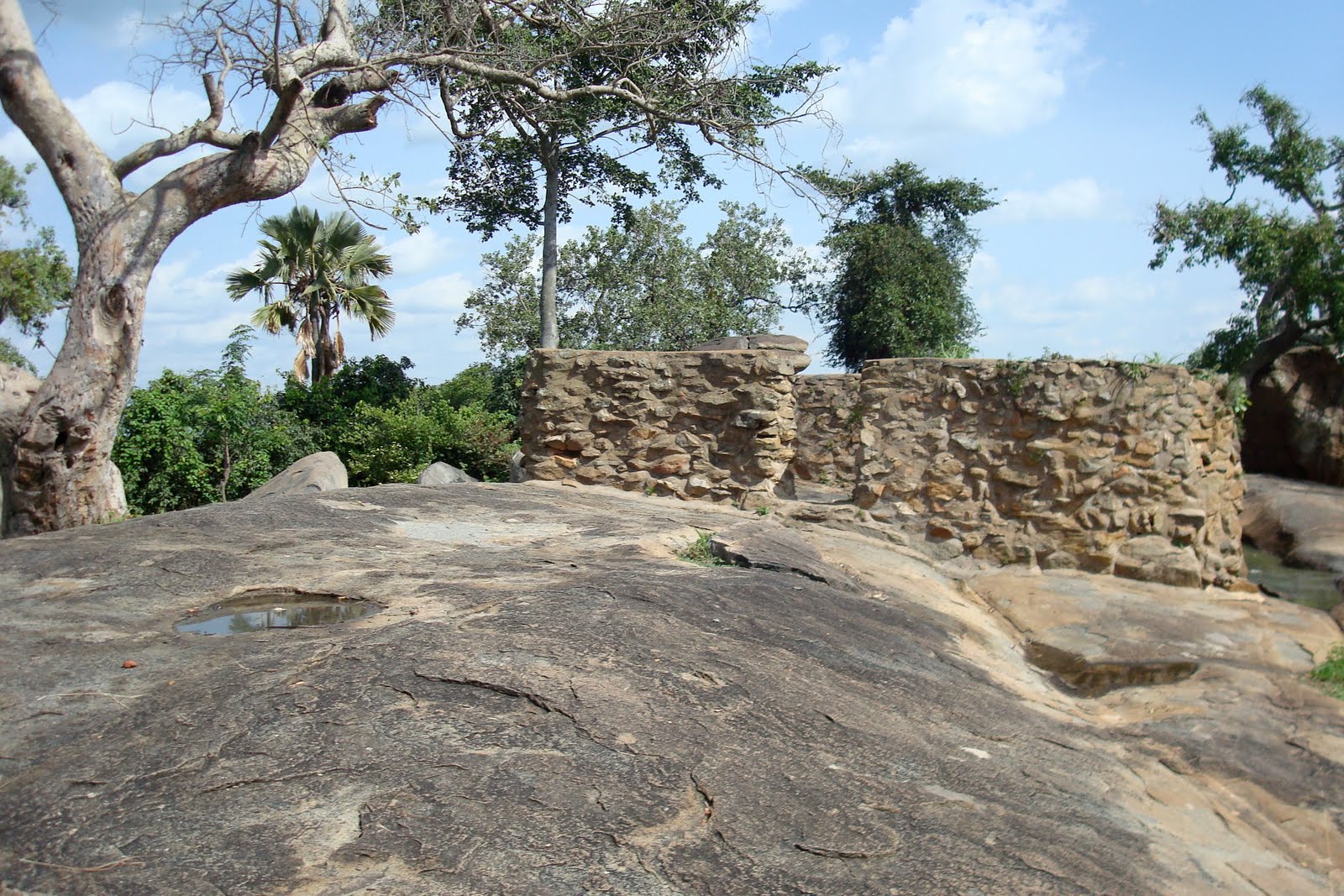
Baker's Fort: Beautiful scenery with a tragic history.
• The all-hours traffic, boda men, and drunk men noise outside my bus park window
• Long bus rides
• Riding bodas home in the rain and the mud
• Cockroaches. Cockroaches. Cockroaches.
• Any and all overly dramatic moments that occurred between the months of January and August
• Killing the chicken (See: Things I won’t forget)
• Being bombarded by children every time we left the Pece house (and those same kids trying to steal things)
• That one time I tried to start jogging and almost got hit by a car, then was sore for a week
• The horrendously frustrating act of having to call school teachers every Tuesday and Friday to remind them that we ARE coming, only to sometimes find out that we can’t because of some program or other
• The July 11th bombings in Kampala and the paranoia that ensued
• Cold showers/Bucket showers
• The terrifying way your room can be dusty again the day after you cleaned it
• Sitting in various ticket booths for hours on end hoping we were making some money for Music for Peace

That chicken never stood a chance.

Just outside my apartment. A bus park full of men ready to call me "mzungu" at the first chance.

Sunday, May 16, 2010
Starting a New Routine
My last post talks about how concerned I am about making my research the best, and as thorough, as I possibly can. This is still very much the case. But I found through the course of my interviews that the stress I was feeling and the struggle of forcing my interest in the topic was making me miserable, which has led me to tweak (or detour) my research in a new direction. This new direction neither invalidates my previous research or builds on the topic of cultural revival, it takes the background from my previous interviews and picks out the specific point that piques my interest: women’s empowerment.
While this topic is certainly nothing new (there have been women’s empowerment programs for decades), its place in Acholi society is unique. First of all, the typical family structure prevents the woman from having much of a voice in decision making whether for the kids, how the money is spent, or where she lives. But for some women, this changed when organizations like the World Food Programme began distributing food in IDP Camps – just to women. This placed the women in positions of power, making them the breadwinners for the family, essentially reversing the traditional gender roles. Now that people are moving out of the camps, women want to maintain their status as the “breadwinner,” but many husbands feel threatened by this. In many cases, this shift has resulted in domestic, gender-based violence against women.
Another aspect is that of girls’ education. If a family has two children, a boy and a girl, but they don’t have enough money to send both to school, they will almost always send the boy and leave the girl at home. This is simply because eventually, the girl will be married and sent to live with her husband, and the family will have received nothing in return for spending money on her education. Several young women I have spoken with have said that the war was actually good for them. That it showed the people the importance of educating their girls.
Given that the wore has caused so much damage and trauma, can we look at these two areas and say that the war was actually beneficial for women, in a broad sense? And now that many organizations like CARE International and ACORD are directly targeting women for economic development projects, how are they training communities and husbands and children on the importance of women’s empowerment? How are they affecting the cultural structure for gender roles? Should they be changing cultural practices?
These are all questions I will attempt to confront in the next few months. I had planned to be finished with my research by tomorrow and then be able to close this chapter of this trip. But the thought of researching and writing a thesis on my previous topic for the next year made me miserable. Why, you might ask? It’s simple: As much as I admire Acholi cultural practices – the energetic dances, the colorful costumes, the unique music – I cannot be personally connected to it, and part of me feels that as an outsider, I shouldn’t be. But for women’s empowerment – I feel that womanhood transcends cultural boundaries. No matter where I am in the world, I can find and relate to women and I can truly sympathize with what they’re going through. I’m not saying that I have ever been through anything that most of these women have experienced – death, kidnapping, rape, murder, devastating loss, decades of war. But I do know what it’s like to grow up as a woman, constantly fighting the stereotypes and societal rules placed upon our gender. And in this sense, I feel that I can have a personal connection with my research. I can read these articles all day, every day, and I can interview participants on such a more intimate level. In short, I can be passionate about it. My interest in this has even led me to consider a graduate degree in women’s studies and explore job opportunities and internships with CARE.
So for the next few months, I will probably be outrageously busy conducting my research, working on CreatEd, and getting the first cartoon published. My research should take 2-3 days a week. CreatEd kicks off with some serious organizational meetings on the 19th, and the program begins in schools on June 1st, so I’ll be with CreatEd 2-3 days a week at that point. Then we have the cartoon project (I saw Vinny’s cartoons today, and this thing is going to be so great!). Soon, the artists will be editing in Adobe Photoshop, and I’ll be traveling around Gulu and Kampala begging for grants or partnerships and seeking out the right publisher.
To summarize: Think I’m on vacation, now?
While this topic is certainly nothing new (there have been women’s empowerment programs for decades), its place in Acholi society is unique. First of all, the typical family structure prevents the woman from having much of a voice in decision making whether for the kids, how the money is spent, or where she lives. But for some women, this changed when organizations like the World Food Programme began distributing food in IDP Camps – just to women. This placed the women in positions of power, making them the breadwinners for the family, essentially reversing the traditional gender roles. Now that people are moving out of the camps, women want to maintain their status as the “breadwinner,” but many husbands feel threatened by this. In many cases, this shift has resulted in domestic, gender-based violence against women.
Another aspect is that of girls’ education. If a family has two children, a boy and a girl, but they don’t have enough money to send both to school, they will almost always send the boy and leave the girl at home. This is simply because eventually, the girl will be married and sent to live with her husband, and the family will have received nothing in return for spending money on her education. Several young women I have spoken with have said that the war was actually good for them. That it showed the people the importance of educating their girls.
Given that the wore has caused so much damage and trauma, can we look at these two areas and say that the war was actually beneficial for women, in a broad sense? And now that many organizations like CARE International and ACORD are directly targeting women for economic development projects, how are they training communities and husbands and children on the importance of women’s empowerment? How are they affecting the cultural structure for gender roles? Should they be changing cultural practices?
These are all questions I will attempt to confront in the next few months. I had planned to be finished with my research by tomorrow and then be able to close this chapter of this trip. But the thought of researching and writing a thesis on my previous topic for the next year made me miserable. Why, you might ask? It’s simple: As much as I admire Acholi cultural practices – the energetic dances, the colorful costumes, the unique music – I cannot be personally connected to it, and part of me feels that as an outsider, I shouldn’t be. But for women’s empowerment – I feel that womanhood transcends cultural boundaries. No matter where I am in the world, I can find and relate to women and I can truly sympathize with what they’re going through. I’m not saying that I have ever been through anything that most of these women have experienced – death, kidnapping, rape, murder, devastating loss, decades of war. But I do know what it’s like to grow up as a woman, constantly fighting the stereotypes and societal rules placed upon our gender. And in this sense, I feel that I can have a personal connection with my research. I can read these articles all day, every day, and I can interview participants on such a more intimate level. In short, I can be passionate about it. My interest in this has even led me to consider a graduate degree in women’s studies and explore job opportunities and internships with CARE.
So for the next few months, I will probably be outrageously busy conducting my research, working on CreatEd, and getting the first cartoon published. My research should take 2-3 days a week. CreatEd kicks off with some serious organizational meetings on the 19th, and the program begins in schools on June 1st, so I’ll be with CreatEd 2-3 days a week at that point. Then we have the cartoon project (I saw Vinny’s cartoons today, and this thing is going to be so great!). Soon, the artists will be editing in Adobe Photoshop, and I’ll be traveling around Gulu and Kampala begging for grants or partnerships and seeking out the right publisher.
To summarize: Think I’m on vacation, now?
Friday, April 23, 2010
Throw Down Your Heart
I like to have a schedule. I like to know that I’m going to start with A, take a break and work on B, then finish with C, knowing that by the end of all my work I will have accomplished something worthwhile. I don’t necessarily like being committed to time slots; I still like to go with the flow of things. But I want to have the structure.
But here, I never know what I’m going to do when I wake up in the morning. Sure I might have an interview scheduled, but as soon as that interview’s over I have to have something else to do. I have to constantly be striving for the next interview, the next chance to observe, the next chance to travel to a village.
And it’s exhausting.
I try to relax and remind myself over and over again that I will find something to do – something incredible and educational will happen. But it’s so hard sometimes.
For example, I’ve been trying to meet with the Paramount Chief for weeks now. I’ve met several people around his office and interviewed many of them and made some really worthwhile connections. One of these being with the Ker Kal Kwaro Acholi Cultural Group, which is a group of young people that get together each week to practice Acholi dances. I interviewed their leaders, and I was invited to join them for practice on Sunday.
The practice started out slowly. I was told to arrive at 3:00 pm, and for some reason I decided to show up on time, even though I knew better. The only people there were the kids, and we were simply waiting for the adults to show up so the real practice could start. But while we waited, a group of about 30 children under the age of 10 started practicing their own dances. The little boys played rhythms on the drums while other boys and girls performed the carefully practiced courtship dance. It wasn’t perfect, no – they were practicing after all. But these children didn’t have an adult coach that was telling them to stop when something wasn’t right or directing their missteps. Their coach was a 7 year old boy who directed all the other children with confidence and ease. And the children listened to him, and they danced and enjoyed themselves – totally self-directed. Their parents may have taken them to the center to learn, but they poured their whole hearts into it on their own.
I had this experience by accident. I was invited to join this dance group in the process of looking for something else. The truth is, it scares me when I wake up on Monday morning and don’t know what my week or even my day will look like. I’m afraid that if I don’t get out there, I’ll miss talking to a key informant or I’ll miss an opportunity for visiting a village. I want my research to be the best it can be. I want to finish in May and know that I did the best I could. That I looked under every rock I could find to dig up information.
There have been enough people in this town conducting research that amounts to nothing. Will my research amount to nothing? And not just for my own self-gratification. I’m intruding on peoples’ privacy. I go to their homes and ask them questions about their personal lives, and in some cases my visit brings hope for a better future, regardless of the fact that I’m powerless to change anyone’s future here. Will all of this be for nothing? If I don’t do the best job I can, I’m letting all of these people down. I owe it to everyone I interview and everyone I will interview, every life that I touch.
That’s why I wake up stressed on Monday. I want to do my best to honor the contribution of all of my friends that have contributed and the professors that have guided me.
But I know that almost every Monday, I wake up and receive a phone call or I take my own initiative to visit a place. And that is when I usually have the best experiences and meet the best people. It takes a lot of faith to not know what’s going to happen next. It even terrifies me, sometimes.
But if I continue to stand on the edge of my comfort and refuse to jump, my feet won’t land on anything at all because they never even left the ground.
Gulu is helping me to find beauty in the unexpected.
But here, I never know what I’m going to do when I wake up in the morning. Sure I might have an interview scheduled, but as soon as that interview’s over I have to have something else to do. I have to constantly be striving for the next interview, the next chance to observe, the next chance to travel to a village.
And it’s exhausting.
I try to relax and remind myself over and over again that I will find something to do – something incredible and educational will happen. But it’s so hard sometimes.
For example, I’ve been trying to meet with the Paramount Chief for weeks now. I’ve met several people around his office and interviewed many of them and made some really worthwhile connections. One of these being with the Ker Kal Kwaro Acholi Cultural Group, which is a group of young people that get together each week to practice Acholi dances. I interviewed their leaders, and I was invited to join them for practice on Sunday.
The practice started out slowly. I was told to arrive at 3:00 pm, and for some reason I decided to show up on time, even though I knew better. The only people there were the kids, and we were simply waiting for the adults to show up so the real practice could start. But while we waited, a group of about 30 children under the age of 10 started practicing their own dances. The little boys played rhythms on the drums while other boys and girls performed the carefully practiced courtship dance. It wasn’t perfect, no – they were practicing after all. But these children didn’t have an adult coach that was telling them to stop when something wasn’t right or directing their missteps. Their coach was a 7 year old boy who directed all the other children with confidence and ease. And the children listened to him, and they danced and enjoyed themselves – totally self-directed. Their parents may have taken them to the center to learn, but they poured their whole hearts into it on their own.
I had this experience by accident. I was invited to join this dance group in the process of looking for something else. The truth is, it scares me when I wake up on Monday morning and don’t know what my week or even my day will look like. I’m afraid that if I don’t get out there, I’ll miss talking to a key informant or I’ll miss an opportunity for visiting a village. I want my research to be the best it can be. I want to finish in May and know that I did the best I could. That I looked under every rock I could find to dig up information.
There have been enough people in this town conducting research that amounts to nothing. Will my research amount to nothing? And not just for my own self-gratification. I’m intruding on peoples’ privacy. I go to their homes and ask them questions about their personal lives, and in some cases my visit brings hope for a better future, regardless of the fact that I’m powerless to change anyone’s future here. Will all of this be for nothing? If I don’t do the best job I can, I’m letting all of these people down. I owe it to everyone I interview and everyone I will interview, every life that I touch.
That’s why I wake up stressed on Monday. I want to do my best to honor the contribution of all of my friends that have contributed and the professors that have guided me.
But I know that almost every Monday, I wake up and receive a phone call or I take my own initiative to visit a place. And that is when I usually have the best experiences and meet the best people. It takes a lot of faith to not know what’s going to happen next. It even terrifies me, sometimes.
But if I continue to stand on the edge of my comfort and refuse to jump, my feet won’t land on anything at all because they never even left the ground.
Gulu is helping me to find beauty in the unexpected.
Thursday, April 1, 2010
“All these problems just disappear because I have other things in my mind now.”
I know, I know, I haven’t updated in a month and a half. I could try to update you, in-depth, on everything that’s happened between then and now, but we just don’t have that kind of space here. So take these quick briefings along with a sincere apology. The bulk of this post is about the incredibly educational experience I had in a small village in Awach sub-county.
I started volunteering for the Pincer Group International, Ltd. They have a GREAT team, both in Gulu and Kampala. They’re basically a research think-tank. Jay and I were working on transcribing their focus group interviews and analyzing the data. Though we aren’t necessarily qualified or trained in analyzing data, our insights were earnestly offered as a possible fresh perspective to the situation. Though I learned a lot from this work, I soon realized it was distracting my from my research and other projects and that I needed to take a break from it. I haven’t been working there for a week or so now, and I’ve felt extremely freed up.
The cartoon project is well underway. We had a meeting with everyone a couple of weeks ago, and we all agreed on the need for a deadline. We are now working on producing the first cartoon, which will then be published and presented to organizations (along with the concept paper I’m writing) that could possibly provide funding. I’m REALLY excited to see this project continue. There’s so many steps it could go through, it could honestly keep me busy for several years. Major funding anyone? Job after college? Possibilities....
Speaking of time after college, in building my schedule for next semester, I discovered that I could graduate by May if I build my schedule correctly. (Which means I graduate on time!!!!!) I’ll take 18 hours this semester, pray that I can fit in my last gen ed requirement next semester and then fill in the rest of my distribution requirements while writing my thesis! After that I’ll..... come back here to find a job? Work on the cartoon project?
There’s a possibility I could come back here with a group of UT students. While Dr. Hackett and Dr. Hepner were here, they got things started for a summer program at Gulu University for UT students. Around 12 students would come over, go through an intensive 2 week course at the university with various, top-notch professors. Then the students will volunteer with various organizations for four weeks. The idea is international service-learning. They will be working in areas pertaining to their respective majors, offering the help they can, and learning a great deal from the experience. I had considered applying as a student, but I’ll be graduated by then, so maybe there would be an opportunity as a group leader? We’ll see. Right now, though, I’m pretty sure I’ll come back here to get a job for a year or two before I go to grad school. I don’t feel like I’ll be ready to go to grad school as soon as I get my Bachelor’s. I don’t know what I’d study. Plus, working abroad for a few years could give me the upper hand on the whole application process.
The UT/GU meetings were only one small part of the Profs’ visit. We also met with Dr. Betty Udongo, Tom and Milton from Pincer, all of the GU staff, and the Anglican Bishop. We can’t forget the great trip we had to Kitgum to visit Bishop Ochola or the meeting we had with Norbert Mao, LC V Chairman for Gulu District and 2011 Presidential Candidate. It was quite a busy week, to say the least. It all just seems to be a fast-forwarding blur in my head of meetings and dinners and car rides in the small backseat with everyone’s stuff. But we got a lot accomplished and came away with a new focus on our projects and new angles to research.
We’ve been learning Luo lately, and it’s going surprisingly well. If I just study my vocab more intensely, I could actually hold a conversation with someone. We’re driving our friends nuts because we’re constantly stumbling over pronunciations and verb tenses trying to talk to them. Or, they say something and we immediately ask them what they said and how to say it. Their patience so far has been remarkable, which is great because we need to practice to be fluent. I’m just imagine one day putting on my resume, can speak fluent English, Luo, and conversational French :)
For the important part of my trip for now, the research is trucking along. I met with a girl at the cultural institution and she’s making a meeting for me with the Paramount Chief. I’ve also been talking with a close friend of JfJ, George Piwang, who has his hand in some cultural revival programs. Recently, I went to a village in a sub-county of Gulu District and conducted some really interesting interviews. The villagers had almost all been abducted at some point, and now they have returned to this village and formed this dance group from their own initiative. When asked how the dance makes them feel, every participant responded with something along the lines of the title of this post. Everyone felt that they forgot their trauma while they danced and interacted with others in their village.
Everyone was really great and participatory. I was warmly welcomed. But I left with a feeling of guilt because everyone put more hope in my ability to help them than I could explain away. No matter how many times you say that you are simply a powerless university student, you are from the outside. And that means that people outside their village know that they are there and suffering. And that knowledge brings with it a certain expectation. How am I supposed to stand in front of a group of 30 people and explain to them that I actually don’t have the power or the money to bring them to U.S.? That I probably can’t rally the support or funds at home to pay for the orphans’ education? How do you answer those questions?
I need to go to other villages that have had something to do with cultural revival programs because their opinions are invaluable. Their opinions are the deciding factor for the results of the project and for the future of their community. But at the same time, I’m afraid because I don’t want to have to sidestep any more requests for visits to America. Because when this happens, I can literally see that so many people have placed so much hope in my visit, but only I know that that hope is misplaced. That I actually have very little power to help them out of their situation. That no matter how much I want to pay for their kids’ school fees, I know I can’t. But I have to go to other villages. I have to get more opinions. I need to document their existence in this entire web of post-conflict reconstruction that encompasses every aspect of life here.
Change of topic: I need to say APWOYO MATEK to my parents for sending me the care package!!! It arrived on time and in good condition. You should all copy their example and do the same :) Or you could just send me an email telling me about your life. I would really love to hear from you.
Other news: I now a master crafter of spiced African tea. Our house still has a lot of cockroaches and no water. Rainy seasons means it’s blazing hot all day and rains in the evening. We have some very mischievous, 3-foot tall peeping toms running around our compound. I have 4 months left, yet I feel my time is running short. We’re planning a trip to Rwanda soon to renew our 90 day visas, and we want to be tourists in that beautiful country. I need to brush up on my French. I miss chocolate chip cookies. Our friend is opening up a real café in town. I want to adopt one of our neighbor’s kittens. I’m sad I couldn’t watch the livestream of K’naan’s concert last night. His song, Wavin’ Flag is starting to be realllly popular here. It’s almost mango season, and it makes me really sad to see the mango tree they cut down outside our house to make room for the fence. I miss everyone at home.
Apwoyo matek. Wa nen!
I started volunteering for the Pincer Group International, Ltd. They have a GREAT team, both in Gulu and Kampala. They’re basically a research think-tank. Jay and I were working on transcribing their focus group interviews and analyzing the data. Though we aren’t necessarily qualified or trained in analyzing data, our insights were earnestly offered as a possible fresh perspective to the situation. Though I learned a lot from this work, I soon realized it was distracting my from my research and other projects and that I needed to take a break from it. I haven’t been working there for a week or so now, and I’ve felt extremely freed up.
The cartoon project is well underway. We had a meeting with everyone a couple of weeks ago, and we all agreed on the need for a deadline. We are now working on producing the first cartoon, which will then be published and presented to organizations (along with the concept paper I’m writing) that could possibly provide funding. I’m REALLY excited to see this project continue. There’s so many steps it could go through, it could honestly keep me busy for several years. Major funding anyone? Job after college? Possibilities....
Speaking of time after college, in building my schedule for next semester, I discovered that I could graduate by May if I build my schedule correctly. (Which means I graduate on time!!!!!) I’ll take 18 hours this semester, pray that I can fit in my last gen ed requirement next semester and then fill in the rest of my distribution requirements while writing my thesis! After that I’ll..... come back here to find a job? Work on the cartoon project?
There’s a possibility I could come back here with a group of UT students. While Dr. Hackett and Dr. Hepner were here, they got things started for a summer program at Gulu University for UT students. Around 12 students would come over, go through an intensive 2 week course at the university with various, top-notch professors. Then the students will volunteer with various organizations for four weeks. The idea is international service-learning. They will be working in areas pertaining to their respective majors, offering the help they can, and learning a great deal from the experience. I had considered applying as a student, but I’ll be graduated by then, so maybe there would be an opportunity as a group leader? We’ll see. Right now, though, I’m pretty sure I’ll come back here to get a job for a year or two before I go to grad school. I don’t feel like I’ll be ready to go to grad school as soon as I get my Bachelor’s. I don’t know what I’d study. Plus, working abroad for a few years could give me the upper hand on the whole application process.
The UT/GU meetings were only one small part of the Profs’ visit. We also met with Dr. Betty Udongo, Tom and Milton from Pincer, all of the GU staff, and the Anglican Bishop. We can’t forget the great trip we had to Kitgum to visit Bishop Ochola or the meeting we had with Norbert Mao, LC V Chairman for Gulu District and 2011 Presidential Candidate. It was quite a busy week, to say the least. It all just seems to be a fast-forwarding blur in my head of meetings and dinners and car rides in the small backseat with everyone’s stuff. But we got a lot accomplished and came away with a new focus on our projects and new angles to research.
We’ve been learning Luo lately, and it’s going surprisingly well. If I just study my vocab more intensely, I could actually hold a conversation with someone. We’re driving our friends nuts because we’re constantly stumbling over pronunciations and verb tenses trying to talk to them. Or, they say something and we immediately ask them what they said and how to say it. Their patience so far has been remarkable, which is great because we need to practice to be fluent. I’m just imagine one day putting on my resume, can speak fluent English, Luo, and conversational French :)
For the important part of my trip for now, the research is trucking along. I met with a girl at the cultural institution and she’s making a meeting for me with the Paramount Chief. I’ve also been talking with a close friend of JfJ, George Piwang, who has his hand in some cultural revival programs. Recently, I went to a village in a sub-county of Gulu District and conducted some really interesting interviews. The villagers had almost all been abducted at some point, and now they have returned to this village and formed this dance group from their own initiative. When asked how the dance makes them feel, every participant responded with something along the lines of the title of this post. Everyone felt that they forgot their trauma while they danced and interacted with others in their village.
Everyone was really great and participatory. I was warmly welcomed. But I left with a feeling of guilt because everyone put more hope in my ability to help them than I could explain away. No matter how many times you say that you are simply a powerless university student, you are from the outside. And that means that people outside their village know that they are there and suffering. And that knowledge brings with it a certain expectation. How am I supposed to stand in front of a group of 30 people and explain to them that I actually don’t have the power or the money to bring them to U.S.? That I probably can’t rally the support or funds at home to pay for the orphans’ education? How do you answer those questions?
I need to go to other villages that have had something to do with cultural revival programs because their opinions are invaluable. Their opinions are the deciding factor for the results of the project and for the future of their community. But at the same time, I’m afraid because I don’t want to have to sidestep any more requests for visits to America. Because when this happens, I can literally see that so many people have placed so much hope in my visit, but only I know that that hope is misplaced. That I actually have very little power to help them out of their situation. That no matter how much I want to pay for their kids’ school fees, I know I can’t. But I have to go to other villages. I have to get more opinions. I need to document their existence in this entire web of post-conflict reconstruction that encompasses every aspect of life here.
Change of topic: I need to say APWOYO MATEK to my parents for sending me the care package!!! It arrived on time and in good condition. You should all copy their example and do the same :) Or you could just send me an email telling me about your life. I would really love to hear from you.
Other news: I now a master crafter of spiced African tea. Our house still has a lot of cockroaches and no water. Rainy seasons means it’s blazing hot all day and rains in the evening. We have some very mischievous, 3-foot tall peeping toms running around our compound. I have 4 months left, yet I feel my time is running short. We’re planning a trip to Rwanda soon to renew our 90 day visas, and we want to be tourists in that beautiful country. I need to brush up on my French. I miss chocolate chip cookies. Our friend is opening up a real café in town. I want to adopt one of our neighbor’s kittens. I’m sad I couldn’t watch the livestream of K’naan’s concert last night. His song, Wavin’ Flag is starting to be realllly popular here. It’s almost mango season, and it makes me really sad to see the mango tree they cut down outside our house to make room for the fence. I miss everyone at home.
Apwoyo matek. Wa nen!
Thursday, February 18, 2010
"The war has made our people lousy."
I knew the day would be busy, as I had scheduled several meetings and packed my schedule more than is wise to do in Gulu. But I had no idea what was in store for me that evening.
My first meeting of the day was with Robinson Obot, the District Inspector of Schools for Gulu District. We then met with the Dean of Students at Gulu University to discuss several things. After that, we met with a man named Julius who might be a research assistant for us.
My fourth meeting was with Victor of the War Affected Children’s Association (WACA). I had heard a lot about WACA and was hoping to secure a volunteer position with them or at least observe some of their programs. Victor was really nice and generous, and he started telling me all about WACA’s programs. It was founded in 2002 by people who were formerly abducted by the LRA, and it’s funded by Trustfund for Victims, which is a branch of the ICC. They have 3 components: economic empowerment, vocational training, and psychosocial support. Part of the last component is training in cultural dances. Former abductees between the ages of 19 and 30 gather together with an instructor to learn or realearn Acholi dances, and WACA provides funding for the costumes. I was invited to join Victor on a trip to Awac subcounty this Saturday to observe the dances and see some small skits.
After this we picked up some furniture for our house (I’m currently sitting at our HUGE new table and business chairs). Then we had a rendez-vous with the Pincer Group’s Gulu Office. We met Beatrice, Charles, and even Tom was there from the Kampala office. We told Beatrice we might like some volunteer positions with Pincer, so she asked us what our research is. Pincer used to work mainly with education, but now they have changed their programs a bit and work a lot with peace education. They say they unpack the “Peace” in the PRDP (Peace Recovery and Development Plan). They actually run or work with a lot of programs that have to do with cultural reinvigoration and she seemed optimistic that I would really be able to work with Pincer and have a volunteer position for my stay here.
You can see that this day improved as we went on, and now this is the awesome part. One of Pincer’s programs, run by Geore PiWang, is to encourage the reintroduction of Wango’o. When you read about Wango’o, you’ll learn that it’s an Acholi tradition of storytelling by the fireside at night. Traditionally, the grandfathers and elders would impart knowledge to the youth in a group of no more than 20 people. Before the war, people lived in family units in their villages where their families had owned land for a very long time. So everyone in the Wango’o knew each other very well, and everyone knew what was going on in the community. Because of the dangers of being out at night and the forced displacement into camps, this tradition was discontinued. Most young people we know have never been to a Wango’o, but if they had grown up before the war, they would have attended one almost every night. And out of our great friendship with Pincer, we had an invitation to attend the reintroduction of Wango’o in a village outside Gulu. I can honestly say it was one of the most enlightening experiences I have ever had in Uganda.
We drove out for maybe 15 minutes, and Tom explained to us along the way that really Wango’o is for men while women have their own kind of meeting. When we arrived, we found around 15 people of all ages, men and women, sitting around a small fire. The men were in chairs while the women sat on mats on the ground. They started out with introductions, and we were warmly welcomed to their homes. We learned that these men were the cultural leaders of this area.
George asked several people to offer up their definition of Wango’o. Since it’s been gone for so long, it was good to discuss what it’s meant to be. This didn’t actually turn out to be how a Wango’o would be before the war. It was more of a discussion of what it was, what it should be, how it can be adapted, what the war has done to traditions, and how the war has affected different generations.
Most people believed that things are too different now to really, truly go back to the way it was. The war has introduced a lot of young people to town life, and they are no longer content to go back to their villages and sit and listen to the elders at night. Advice is no longer accepted, and they no longer have a handle on all the happenings in their community. The young people in the meeting, who were just a little over 20 years old, believe they missed out on huge parts of their culture, and that the war has killed their culture. Traditions like Wango’o seem to be too out of touch, and the people believe that morality is too far gone to return to these traditions.
At the same time, though, they believe these traditions need to be reinstated in order to empower the people. One of the elders even said, “The war has made our people lousy.” After this he lamented that before the war, northerners could be found in universities all over the country. But now, very few go to university at all, even to schools in the north. He believes the people are disempowered from years of relying on food donations and government protection in the camps. They feel imprisoned in their situation. He recommended that the cultures be strengthened again, and then the Acholi will be able to continue growing and producing, as they had been.
No one knew how to strengthen the culture, though. The elders believe the youth need to be more interested in the traditions and settle down a bit. And the youth believe the elders need to push more for having the traditions returned – they need to be stronger because right now the youth have no faith in them.
But then the elders even admitted that they can’t operate at their full potential because of the way the government is. They say they are not independent or empowered and that it will take a long time to return. Without people that can restore it to its full potential, children won’t receive these values. They said that they are crying that the cultural institutions come back in their full potential.
There were so many more elements to this meeting to discuss, but I could dissect every aspect of it for hours. It was so interesting because, while it wasn’t Wango’o the way it’s meant to be, it did bring together a small group of people and they had real multi generational dialogue about their culture, their lives, the war, etc. Everyone was chomping at the bit to speak their part, and everyone had their own point of view. Even the women, who normally sit quietly in meetings like this, spoke very strongly. It displayed the huge struggle left for northern Uganda, but I think it also showed a step towards peace and normalcy. It also showed the struggle facing cultural leaders – how do you go back to what you know when so much has changed in such a violent way? How can you reconcile traditional culture with a contemporary society?
Saturday, February 6, 2010
I looked up in perfect silence at the stars.
Disclaimer: As you know, I haven’t updated my blog in 2 weeks, and we’ve done A LOT of stuff in between then and now. So this may not be a full review of the last 2 weeks. And it’s not very organized. But it’s just kind of a highlight reel of some of my experiences and thoughts. Enjoy :)
Today is the first day it has rained in Uganda since we’ve been here, which is appropriate since it’s the dry season. I awoke this morning to the sound of rumbling thunder shaking the entire house, and despite the fact that the rain has ruined our laundry plans, we’re enjoying the respite from the blazing sun and welcoming the refreshing breeze coming through the house.
This is our last weekend in Kampala before we make our official move to Gulu. We’ve been here a little over two weeks, and it’s time to get started on our work. I always have a certain excitement mixed with anxiety when I head to the north. But this time, it’s compounded with the knowledge of all the things I have to get in order in such a short amount of time. I’m excited because I love Gulu, and it’s such a nice change from Kampala. Gulu is small enough to walk everywhere, and it’s a booming little town because of all the international aid workers currently residing there (what happens when they leave is a topic for another time). It’s much friendlier than Kampala, and we don’t have to map out our day by figuring out which matatus to take into the city, how much traffic we’ll encounter, and how much time it will take. All of these facts are not to mention that’s where I focus all of my energies be it learning, researching, or fundraising. I’m always doing or thinking about something that has to do with northern Uganda.
But then there’s the anxiety. Foremost is the fact that you’re removing yourself from the big city. Kampala makes you still feel very much connected to the world, but Gulu is disconnected even from Kampala, much less the rest of the world. But besides that, I woke up this morning, and everything I need to do just started running laps through my head. First things first, we need a house. We’re planning to stay in a hotel for a couple of days and look at our options. But that is all we have time to do. We have to look at all the houses we can and just decide. We’re hoping for a 3 bedroom furnished house, but we have no idea if we’ll be able to find one. Then we need Internet and maybe appliances for our house. We have to figure out who’s staying where.
Let’s forget about accommodations for a second. We have serious work to do. Luckily we’ve had a very productive meeting with Pincer Group, where they offered their workspace to use. But I’m a little more stressed because the organizations I’m looking at are going to be much smaller. And I have to look for these groups. I know of a few, but right now I’m just feeling the anxiety of the unknown. I have NO clue what the next few months of my life will look like or where my research will lead me. And part of my research is getting the cartoon project together, which can ideally be published and distributed very soon. But everyone’s just so busy. I guess I just need to talk to people, and realize that it will all come together. Maybe not at the time I expect or the way I expect it to happen – but I will learn a lot, and I will grow.
This trip has been very strange so far. I think Jayanni has heard me say countless times, “Well, I’ve never had that happen to me before.” We’ve met a huge variety of people in our travels throughout the central region, and never before have I been asked by so many people, “Why?” Why do you go to the north? Why do you come to Uganda so much? Why aren’t you scared to go to Gulu? Most of the time I just shrug my shoulders and tell them I can’t really explain why I love it here so much. It’s a much more difficult question to answer than one would think. I can’t come up with a simple, generic answer like, “I love the people,” or, “I love the weather and the scenery.” Nothing is that simple. I do love the generally friendly nature of people here, but notice I said generally. I spend the time navigating through Kampala trying not to get cheated. It’s tiring. My frustrations, though, are grounded by the knowledge that I only get cheated because money is such an issue here. And sure, I love the weather. Summer is my favorite season at home. But at times, I hate the heat. It can be unbearable. So why do I love Uganda? Because it’s more real than my sheltered suburb at home. Maybe I love it here because this is life. Daily, I see the struggles of street children and beggars just trying to make it through a few more days. And daily, I see the joy of people who have managed to make an honest, decent living here. Life here is hard. There’s no doubt about that. But maybe life here, as opposed to my life as a college student where my biggest challenge is writing my thesis, is more fulfilling – the successes and achievements are more important, but the failures and disappointments are that much more devastating.
We’ve also been witnessing a lot of interesting politics. We can’t really talk about the Anti-Homosexuality Bill because it’s such a hot topic, but it has been interesting to see the reaction to Obama’s speech in which he condemns it. Most people think he should stay out of it.
We also witnessed the 24th anniversary of the current government winning power by military coup. NRM Day. Maybe 20 years ago it was widely celebrated. But even throughout the central region, where Museveni has his greatest support, very few people turned up to celebrate. The ones that did show up were paid to be there. They also recently celebrated the start of Museveni’s movement in 1981. To celebrate, some UPDF soldiers cleaned a bathroom and fixed the toilets at a poor school. Is someone trying to improve their public image?
I think we’re witnessing Museveni’s fall from power. But what scares me is that he will not give up that power easily. Even people who were once his avid supporters agree he has been in power for too long. They say there are only so many new ideas you can have as a leader before you’re outdated and you need to pass on the torch. If he “wins” in 2011, based on the general consensus I’m witnessing now from talking to friends and reading the newspapers, there’s a good chance it will have been rigged. And nothing good will come if that suspicion spreads. This is certainly an interesting time for politics in this country.
I know I haven’t updated anyone in a long time. Sorry about that. You all know I’m bad about keeping up with my blog. But I’ll give you a little overview of what we’ve been up to. We’ve met with Cathy PiWang of Childreach Africa. We met with Bishop Ochola the day before he left for the Democratic Republic of Congo with Archbishop Odama to meet with the rebels about peace talks. He told us a lot about his current project, the Acholi Education Initiative. They’ll be fundraising in North America and Europe in order to provide university scholarships to promising young students from the north in order to produce entrepreneurs from the region. His fear is that if the Acholi are continually marginalized and uneducated, unable to stand on their own, then another war will break out.
We had a great meeting with the Pincer Group. They’re an education consultant agency, which means they draft reports, proposals, and grants for other organizations that don’t have the means or the know-how. They believe the community needs to be empowered in order for the Acholi people to demand better education, healthcare, etc. And what will it take for them to be empowered? One theory of mine is that one mode could be cultural reinvigoration programs. I’m seeing that people associate peaceful times with the return to the traditions and rituals they had before the war. Maybe this return could lead to community building, maybe a return to their identity as the Acholi people, that could lead to empowerment. I’ll let you know how this idea develops.
On the fun side of things, we’ve been all over the place. We just recently returned from Murchison Falls, the most powerful waterfall on the Nile. Breathtakingly beautiful and terrifyingly powerful. We went on a safari game drive, a boat trip down the Nile, and a hike to the top of the falls. We saw a lioness, all kinds of antelope, giraffes, elephants (mating elephants, yikes!), crocodiles, hippos EVERYWHERE, warthogs, etc. It’s a really nice park, and a really great game reserve. The trip was incredibly touristy, but I just tried to let go of my pride for a bit and enjoy it. We’ve also been able to visit Jinja, Entebbe, places all over Kampala. We’ve made a lot of new friends, and spent some quality time with old ones. We’ve really enjoyed these couple of weeks, but we’re ready to get down to work. I’ll let you know how our journey to Gulu goes, and what happens with our house situation. Expect another update in the next week or so? Wish us luck!
Sideways?


Saturday, January 23, 2010
Third times a charm?
I made the drive from Entebbe to Kampala for the third time last night, and I can honestly say that each time it has felt different. The first time, I was overwhelmed by the new world I had found myself in. Everything was different from what I knew or expected. The second time, I was extremely excited to be back. I hadn't spent much time in Uganda before, and there were many new experiences for me to have - especially since I wasn't traveling in a group. But this time, I stepped off the plane and walked across the tarmac at Entebbe Airport, breathing in the familiar musty smell of Uganda, and felt extremely at home. I was picked up from the airport by friends, and I didn't find myself marveling at the sights along the way. I found myself knowing exactly where I was and where I was going. I had heard that after you've been a few times, it's not as exotic anymore (naturally). It was disappointing to hear on my first time here. I didn't think I would ever stop marveling at some things. But now, I see it as growth. I've learned my surroundings. I know how to get around. If I saw the same things and reacted the same way every time, I wouldn't be learning, would I? I'm thrilled to be here, but it's just amazing how I kind of still feel just as comfortable as if I were still at home in Knoxville.
I'll be spending my semester here, plus some extra time until August conducting research for my senior thesis at the University of Tennessee. We'll be in Kampala for a few weeks and then head to Gulu where we'll be renting our own house. I'm joined by another student from the University of Tennessee, Jayanni Webster. This is her first time in Uganda, and she's doing great so far. She'll also be doing research in Gulu until May. First time I'll be living without a host family for a really long amount of time. I think it will be really interesting and really great.
We spent the day negotiating Kampala(Jay had to deal with my rusty directional skills). We went to all of the big places, and almost took a trip into Old Kampala but we got out of the taxi just in time. We went by the Sheraton to buy a phone for Jay, but unfortunately Barnabus wasn't there. We can try again, though. Then we went by the National Theater, and Jay has a great story to start off her trip. I'll let her tell it, but let's just say it was really convenient that the market was nearby and there was a woman selling shoes. We called Vinny and discovered he was in Kampala. His response to the phone call? "I didn't know you were here!" We can't wait to meet up with him.
We're just killing some time and taking everything in for now. There's a contemporary dance performance at the National Theater tonight that we're going to try to go to if we can fight our jet lag long enough. Until then, we're just going to enjoy being in Kampala.
I'll be spending my semester here, plus some extra time until August conducting research for my senior thesis at the University of Tennessee. We'll be in Kampala for a few weeks and then head to Gulu where we'll be renting our own house. I'm joined by another student from the University of Tennessee, Jayanni Webster. This is her first time in Uganda, and she's doing great so far. She'll also be doing research in Gulu until May. First time I'll be living without a host family for a really long amount of time. I think it will be really interesting and really great.
We spent the day negotiating Kampala(Jay had to deal with my rusty directional skills). We went to all of the big places, and almost took a trip into Old Kampala but we got out of the taxi just in time. We went by the Sheraton to buy a phone for Jay, but unfortunately Barnabus wasn't there. We can try again, though. Then we went by the National Theater, and Jay has a great story to start off her trip. I'll let her tell it, but let's just say it was really convenient that the market was nearby and there was a woman selling shoes. We called Vinny and discovered he was in Kampala. His response to the phone call? "I didn't know you were here!" We can't wait to meet up with him.
We're just killing some time and taking everything in for now. There's a contemporary dance performance at the National Theater tonight that we're going to try to go to if we can fight our jet lag long enough. Until then, we're just going to enjoy being in Kampala.
Sunday, October 11, 2009
Let's Change Things Up a Bit
So this blog has primarily been used to keep family and friends updated while I venture off to Uganda for various reasons. It's more or less been a list of all the things I've done that day or that month that seemed to be more of a forced cross-section of my time rather than meaningful reflection. As much as I wish I could be hit with the blogging bug every time I go abroad, it always just feels like such a hassle when it comes down to it. Looking back on it, though, I can see this blog has done its part to capture a few emotions I didn't know I was feeling until I wrote them. While I don't always feel like I'm the best at communicating with words (I can feel a million things without being able to articulate those feelings), this blog has been a really great way for me to maintain my focus in the midst of being overwhelmed by new experiences. However, I want this blog to take a new direction for the next few months.
I am currently not in Uganda (so maybe I should change my title?), but I am currently preparing for a long sting in Uganda. For a little update on my life right now, I'm a junior in Anthropology at the University of Tennessee. My past two trips have helped to shape my course work, and now I'm preparing to do official research for my senior thesis. I'll be living in Gulu from January to August, enrolled as a UT student and receiving course work for the ethnographic escapades I take on.
What I want to do with this blog right now is primarily selfish. I feel that I'm getting swamped in books and articles in preparation for my thesis, and I'm having a hard time keeping my head on straight when I combine that work with my regular 15 hours of course work, a part-time job, and various other activities. So I'm going to begin chronicling my pre-thesis journey. I'm hoping this will allow an outlet for me to flesh out some ideas, get some feedback, some suggestions. It will also help me to be accountable for keeping up with my readings leading up to my departure. I'll try to keep it as interesting as possible since I know that as interesting as I find my research, not everyone in the world thinks the same.
Okay so I'm tentatively titling my thesis project, "Acholi Culture and Post-Conflict Reconstruction: What is traditional culture and how is it being used to solve a contemporary issue?” I came around to this topic not only by personal interest and relevance but primarily by the influence of three things I have recently witnessed or been a part of in Uganda.
My first influence is the folk talk project I worked on with Bishop Ochola this summer and is still being worked on as a Jazz for Justice Project. For a crash course in what went down, I lived with Bishop Ochola and his family in Kitgum for a month (cool, right?) to work on recording the Acholi folk tales that he tells so well and turning them into a cartoon for younger children. The intention is to shed a new light on the folk tales in order to help children regain interest in this part of their culture. We have a team in Uganda working on it. Of course it starts with Bishop Ochola typing up the folk tales in Acholi. They are then sent to Moses Lajum to translate into English. While all of this has been going on, our two artists, Patrick Okello from Gulu and Vincent Ssebunya from Kampala, have been developing their characters based on a character map. As soon as they receive the stories, they are creating a comic strip to be distributed to schools.
Back to my point: I'll be using the progress and effects of this project as a case study for how an aspect of traditional Acholi culture can be used to reconstruct a certain facet of life that had been lost to the war.
My second influence comes from witnessing similar work by other NGOs in the northern region. There are several that go down the route of using traditional dance or music to rehabilitate former abductees or provide an outlet for expression for Acholi youth. I think it's important to measure the efficacy of these projects as well as observe which methods work best.
My third influence is what Jazz for Justice is hopefully morphing into: CreatEd. One of our members, Dustyn Winder, is currently designing the model for this new umbrella NGO that will do so much more than JfJ and still encompass JfJ's ideals and, of course, the concert. We hope to develop a curriculum of music and the arts that will work as a supplementary after-school program emphasizing the outlets for expression in dance, art, poetry, song-writing, etc. We're planning a pilot program this summer and once we all graduate, we can hit the ground running with what the organization should look like. Hopefully, my observations can aid us in developing our own programs by noting the pros and cons of the different approaches in art education.
Tied into these main research topics will be several aspects that can't go unnoticed. Obviously, culture is constantly changing and morphing. So what does it mean to say "traditional culture"? From what I have witnessed so far, it means different things to different people. I'll be interviewing people of different demographics - age, religious affiliation, educational background, socioeconomic background, etc. - to see how much of a gap there is in the general view of Acholi traditional culture.
Also tied into this research will be the question of, if a definition of traditional culture could be nailed down, why do people seem to be reaching back to their past to secure their future? There are a ton of ideas surrounding this, so I want to do a little more reading on the topic before I throw out speculation.
Okay, so, all 4 of you that might read this, I need feedback. Any books, articles, journals, videos, websites you come across that are relevant to my topic would be greatly appreciated. Also, what are your personal thoughts? Anything I should add to this? Anything I should take away?
Stay tuned for more specific topics coming soon. Thanks for reading :)
Monday, August 10, 2009
Leaving thoughts
I left Kitgum today, and I can honestly say that I've never been so sad to leave a place. Which is ironic because initially I was really sad to be there. I'd been trying to prepare myself to leave for a few days, but after delaying my travel by two days it was just a shock when I actually really had to leave.
I feel like I grew so much and learned so much about myself in my month in Kitgum. The project with Bishop is to a point where it will go on without Lindsay and I there. Which is really good news. It will definitely need some tender loving care when we all return, though.
Leaving this morning was only made more difficult because, while I'm planning on coming back in January, nothing is definite. And if I don't get myself back here, I'll be absolutely devastated. I was emotional from the start this morning, and I cried all the way from Kitgum to Gulu. I don't think Bishop knew what to do with me. And the poor guy on the bus next to me had to feel horribly awkward. It's just that I've gotten so attached to these people and this life. Jumping back and forth between the US and Uganda has forced me to be constantly missing someone, somewhere.
Bishop Ochola had a going away party for me a few days ago, and it was so nice. I didn't really know most of the people there, but it was nice for them to show up. Bishop was so so sweet. He said I'm part of the family now, and that I'm like a daughter. And he gave me an Acholi name. Adyer, which means "the center" meaning loved by everyone. How nice is that? Staying with him and his family was undoubtedly one of the best decisions I've ever made.
Driving down that same dirt road from my last post, I tried to take in everything I saw. We drove by camps and schools. Beggars and school kids. Bodas and busses. Mothers and old women. All of them going about their days and their normal lives. All of them living in these conditions that they don't get a break from. And I'm lucky enough to be going back to all of my comforts. How does that happen?
I'm trying to make plans to come back in January. I've been by Gulu University to try to set up a type of exchange program. And I've thought of a ton of different research topics. There's so much work to do to get everything organized. And I need a ton of funding. I don't even want to think about how upset I'll be if I don't work this out.
I have a few things to do and a few people to see in Kampala before I leave. Have to do a little souvenir shopping for those of you at home. But I just hate to say goodbye to my friends here. Even though I'll be back, things won't be the same as they are now. Things will happen and people will change.
As a final thought, I'll leave you with this picture of Kitgum. There's only one hill around, and it's a really popular place to go watch the sunset because it's so beautiful. It's a great place to go to think or spend time with friends. You could see all of Kitgum when you looked around. And just like driving at sunset, it seems that doing anything at sunset in Africa just feels right.

This is Africa :)
Tuesday, July 28, 2009
Reflections from Kitgum
It’s remarkable how driving down a dirt road in Uganda at sunset makes you think about life. You just sit back and take in the beauty of the red orange sunset combined with the shoulder-high grass and mango trees and wonder how anything bad could ever have happened here. The entire landscape exudes a kind of calm and beauty that entrances you. And to think that the very road I’m marveling over was impassable just 2 years ago.
While on this drive, I started thinking, really thinking, about whom I was with and where I was. And all I could think was, “How did my life get this cool?” I was on my way home from a meeting in Gulu with Bishop Ochola and several of our friends, and so many things struck me at once.
First of all: Bishop Ochola. Such an amazing man. He can’t go a single day without telling you several stories, but it’s obvious that he derives such joy from telling them that you can’t help but indulge. And to think about how much he’s been through and seen. He’s 73 years old. Uganda has only been independent for 47 years. He’s seen and lived all of the history and horrors, and he’s relentlessly fought for peace and forgiveness despite what he has been through. And I’m fortunate enough to live in this man’s home with his family.
Then let’s think about the fact that I was the only American, only mzungu, traveling in a car full of new Ugandan friends whom I could trust with anything. At first I was so scared to be in Kitgum by myself. I had no idea what to do, who to talk to, where to go. But I’ve made some really wonderful, really close friends because I’m traveling alone and I’m so much more approachable than when we travel in a huge group. I’m so grateful for these friends because I wouldn’t have made it past the first week without them. And I’ve gotten such a personal look into people’s lives, people’s thoughts, people’s pasts. These are all things I would not have had in another setting. Now I don’t want to leave Kitgum because I’ll also be leaving them.
And finally, let’s think about the fact that I’m just in Uganda. And I’m planning on being here so much more. How did I get this lucky? Some people never leave Knoxville their whole lives, but I stumbled upon the chance to travel to Uganda. I’ve learned more and seen more here in just a few months than I could ever put into word. And despite the fact that I’ll be eating Ramen and peanut butter and jelly for the next 6 months, I wouldn’t trade these experiences for anything because they’re priceless.
Today was definitely one of the best, most productive days I’ve had in Uganda so far. For progress on the folk tale project with Bishop Ochola, we’d only recorded 30 stories and done nothing else. I honestly had no idea what the next step was, and I was internally panicking a bit. So I decided we needed to have a meeting with our artists, with Lindsay, and with someone who could translate the tales. So we woke up really early to make the 2 hour journey to Gulu on a dirt road riddled with potholes.
We hadn’t gotten far in our journey, and we were passing kids in school uniforms walking to class all along the road. This is normal, so you just honk the horn and drive on. But as we were driving, we passed a young girl of about 8 or 9 passed out on the side of the road. We drive on to the school because it’s only about 100 meters away, and it would be best to talk to a teacher or headmaster. We pull in and there are a ton of kids in their purple and blue uniforms, but they quickly inform us that there are no teachers or adults around. Since the teachers are paid so little (200,000 Ush a month, which is about $100) and there is no inspection to see if they’re doing their job, the teachers have no incentive and they often just don’t show up to school. Bishop flagged down another truck that was passing and asked them to pick the girl and bring her home. The poor girl could barely walk.
After this, we were back on our way and we finally arrived in Gulu. We had arranged a meeting with Patrick, a local artist based in Gulu; Vinny, our artist friend based in Kampala; Moses Lanyero, a Ugandan friend; Lindsay McClain, Bishop Ochola, and myself. This was the first time we have all gotten together to discuss what we want to see happen and what we think we can do. It took a bit of time to steer the conversation in the right direction, but we soon made some fairly ambitious plans.
We decided as a group that we would like to see four things happen with the folk tales: a book, a comic book series, animation, and an audio book. They can’t possibly all happen at the same time, so we decided that the comic book series would be the best to start with. They can be distributed to primary schools, and the format is very kid-friendly. So I’m getting the recorded folk tales to Moses, he’s transcribing and translating the first 5 or so and checking it with Bishop, then we’re sending those few stories to Vinny and Patrick to get started on some designs. The idea is that we can publish 4 or 5 similar themed folk tales at a time and have them come out in a series. Once we get this first bunch done, we can apply for some bigger grants for funding.
Now we’ve got the whole team working on it so the next steps should come fairly easily. The biggest challenge will just be communication once Lindsay and I are back in the US. And it’s great to finally have a real game plan for how we’re going to approach this thing.
It’s been a long day of working on a spread sheet with Bishop. We’re mapping out all the characters so the artists can have an idea of who comes in where.
Hope things are good at home. I’ll be there in just two weeks! (eek!)
Thursday, July 16, 2009
Kitgum
Okay, this blog should have been posted on July 13th, but I wrote it and then I was unable to post it so now it’s like 6 days late. But here it is plus some added up to date things at the end.
So, this is my 4th day in Kitgum, and it’s really growing on me. I’ve been staying with Bishop Ochola and his family and everyone is incredibly nice and hospitable. We’ve been having some great traditional food and everyone’s been going out of their way to make me comfortable (even though I protest every time they do). Though they're also going out of their way to stuff me with posho every chance they get.
They just recently moved into this house from one they were renting, but they were not done building this one yet. When they are finished there will be quite a few guest rooms, toilets, showers, running water, etc. But for now, we have pit latrines and bucket showers outside under cover of a thatched grass shelter. There’s nothing quite like bathing out of a bucket under the stars (and I have never seen stars as incredible as the ones I can see here).
We’ve spent our time meeting people in Kitgum, going around the town, and most importantly working on the folk tales. We have recorded 22 so far with an English explanation followed by the entire story in Luo. The idea is to put the folktales into a book (fully translated into English and Luo). Then they will be made into animation. So after we get these recorded, it’ll be time to figure out how to compile them into a book. Then we need to have a meeting with artists so we’ll get some animation started. Everyone seems really excited about the project, though, so it shouldn’t be too hard to get people on board.
We went to a Catholic church service on Sunday, and not only did they make me sit up on the stage with Bishop, they made me get up and talk to the congregation of about 300 people. The first thing I said was, “I should tell you that I fear talking in front of this many people.” Eloquent, right? But it was fine... just had to reign in my high-pitched nervous voice haha.
Now that I’ve picked up some Luganda, I desperately need to learn some more Luo. It just seems so much harder to learn. I’m getting there, though. I’m heading to Kampala tomorrow with Bishop, and I’ll come back to Kitgum when he does in about a week or so.
New stuff:
Okay so I’ve been in Kampala for a few days now. I haven’t really been doing a whole lot. I’ve been helping Lilia input pre-course survey data for Educate!. It’s a little monotonous but interesting to see student responses. Especially for the question asking whom their hero is. Answers range from parents, siblings, and neighbors to Barack Obama to Idi Amin.
I’m a little sad that I’ll be leaving Kampala again on Monday. I’m not sure if I’ll be back here before a couple of days before I leave. And it just stresses me out a little to be so disconnected and out of touch in Kitgum.
I’m also in a weird place of wanting to go home to see everyone and wanting to be here at the same time. I miss the comforts of home, but then I get so sad when I think about the fact that I’ll be leaving here in a few weeks. I’ll just have to say goodbye to so many people and hope that my plans work out for Spring semester.
It should be a good weekend. I’m going to see the break dancers on Saturday and then going to Vinny’s art exhibit on Sunday; both should be phenomenal. Hope you have a great weekend as well!
So, this is my 4th day in Kitgum, and it’s really growing on me. I’ve been staying with Bishop Ochola and his family and everyone is incredibly nice and hospitable. We’ve been having some great traditional food and everyone’s been going out of their way to make me comfortable (even though I protest every time they do). Though they're also going out of their way to stuff me with posho every chance they get.
They just recently moved into this house from one they were renting, but they were not done building this one yet. When they are finished there will be quite a few guest rooms, toilets, showers, running water, etc. But for now, we have pit latrines and bucket showers outside under cover of a thatched grass shelter. There’s nothing quite like bathing out of a bucket under the stars (and I have never seen stars as incredible as the ones I can see here).
We’ve spent our time meeting people in Kitgum, going around the town, and most importantly working on the folk tales. We have recorded 22 so far with an English explanation followed by the entire story in Luo. The idea is to put the folktales into a book (fully translated into English and Luo). Then they will be made into animation. So after we get these recorded, it’ll be time to figure out how to compile them into a book. Then we need to have a meeting with artists so we’ll get some animation started. Everyone seems really excited about the project, though, so it shouldn’t be too hard to get people on board.
We went to a Catholic church service on Sunday, and not only did they make me sit up on the stage with Bishop, they made me get up and talk to the congregation of about 300 people. The first thing I said was, “I should tell you that I fear talking in front of this many people.” Eloquent, right? But it was fine... just had to reign in my high-pitched nervous voice haha.
Now that I’ve picked up some Luganda, I desperately need to learn some more Luo. It just seems so much harder to learn. I’m getting there, though. I’m heading to Kampala tomorrow with Bishop, and I’ll come back to Kitgum when he does in about a week or so.
New stuff:
Okay so I’ve been in Kampala for a few days now. I haven’t really been doing a whole lot. I’ve been helping Lilia input pre-course survey data for Educate!. It’s a little monotonous but interesting to see student responses. Especially for the question asking whom their hero is. Answers range from parents, siblings, and neighbors to Barack Obama to Idi Amin.
I’m a little sad that I’ll be leaving Kampala again on Monday. I’m not sure if I’ll be back here before a couple of days before I leave. And it just stresses me out a little to be so disconnected and out of touch in Kitgum.
I’m also in a weird place of wanting to go home to see everyone and wanting to be here at the same time. I miss the comforts of home, but then I get so sad when I think about the fact that I’ll be leaving here in a few weeks. I’ll just have to say goodbye to so many people and hope that my plans work out for Spring semester.
It should be a good weekend. I’m going to see the break dancers on Saturday and then going to Vinny’s art exhibit on Sunday; both should be phenomenal. Hope you have a great weekend as well!
Monday, July 6, 2009
Home from Kenya
Well, after 24 hours on a bus (Mombasa to Kampala), we're FINALLY back in Kampala. There were a lot of interesting things that we witnessed on our trip, and I'll try to remember it all.
Highlights of the trip:
- When you hear the word "Africa" and that stereotypical image pops into your head, that's what almost all of Kenya looks like. It's pretty cool.
- I met some really awesome people at the beach who go to school in Nairobi.
- We went out dancing at a club in Mombasa with them on July 4th. We celebrated Independence Day by requesting the DJ to play a few American songs.
- On our first day there, we happened upon a cove just north of Mombasa. We sat around, had lunch, watched the tide go out. Then a ton of people showed up to play football. When the tide was low enough, they waded out to a sand bar to play.
- Vinny got to see the beach for the first time.
- We swam in the Indian Ocean.
- Matatus in Kenya are pimped out. They're like party taxis. There are posters all over the place, and the roofs are upholstered. And music is always rap being played on a fantastic sound system. At night, they all have blue neon lights on the inside.
- We got to tour Fort Jesus, the old port, and Old Mombasa.
Lowlights of the trip
- I don't have my camera. So I went to Kenya, and I don't have proof. I have to have a camera before I go to Kitgum.
- I lost my cell phone. Or it was stolen. I'm not sure which. The good part is that whoever has it has to pay to have it unlocked for Kenya and buy a Kenyan sim card. So they didn't really win.
- It's apparently rainy season in Kenya. So while we did have a few hours of sun, it wasn't as much as I would have liked.
- We had no idea of the rates in Kenya. It was about 27 shillings to the dollar instead of 2100 like it is in Uganda. So we probably got ripped off all the time because everything sounded so cheap.
- The rest of my stay in Uganda is now on an economy budget. Since we paid $250 each for the apartment in Naggalama but didn't stay there and paid to stay in other places, I'm low on cash.
- I got car sick every time I got on a matatu in Kenya. Learn to drive well, please.
- It took 22 hours to get there and then another 24 hours to get back. That's 2 days of my life spent on a bus.
- "Hakuna matata" is not enough Swahili to be respected.
Observations:
- No one made a single Obama reference all weekend. It's strange because half the time when we walk down the street in Uganda, someone yells, "Obama!" But that didn't happen in Kenya.
- Matatu drivers/bus drivers/taxi drivers/street beggars are MUCH more persistent. They will not take no for an answer and will follow you for blocks and blocks trying to sell you on it.
- While they're persistent, Kenyans are generally nicer than Ugandans. Even after haggling, the matatu conductors still smiled at us, gave us a thumbs up, wished us safe travels,etc. You're lucky if they don't push you out of the matatu while you're exiting in Uganda.
- We learned a lot of Swahili from the Lion King.
I'm happy to be back in Uganda, though, as good as the Kenya adventure was. It's nice to be somewhere that you can navigate. And speak some of the language. And know when you're being cheated. It really did feel like I was returning home on the way back in.
Dustyn and I bought some macaroni and cheese for lunch today. I can hardly explain how excited I am for it. I've been thinking about mac & cheese for days.
Dustyn leaves on Thursday, and then I should be heading up to Kitgum/Gulu around that time. I'm a little nervous and a little excited. Nervous because I have no idea if I have the qualifications for our art project. I'll be writing proposals, offering advice, etc. and what experience do I have in this? Nervous because I don't know anyone in Kitgum except for Bishop Ochola. I'm really hoping I make some friends there. Nervous because I don't know much Luo at all. I'll have to learn a ton of it. But then I'm excited for all of those reasons. It will be new and challenging. I'll make new friends and meet new people. I'll learn Luo. And I'll get to spend so much time in the north.
Hopefully, I'll be spending my weekends in Gulu (like 2 hours away) with some friends there. I'm not sure if there's much to do in Kitgum on the weekends or if I already have plans made for me. But we'll see how that works out. I'll be traveling back down to Kampala/Naggalama with Lindsay and maybe Jeff for Vinny's art exhibition (and the Harry Potter premier!). Then I'll go back to Kitgum and finish my work.
For the next few days in Kampala, Dustyn and I are researching methods of finding the disposable income of a population for Educate!'s projects. They are looking for ways to be sustainable, and one way might be to charge a fee to attend the class. So our research will hopefully show them some ways to go about that.
Okay that's a lot of stuff. I hope you read all the way through! I'll try to be better at updating ( I think I say that every time.) I hope everyone had a wonderful July 4th! I'd love to hear from you because I'm totally missing everyone at home!
Subscribe to:
Posts (Atom)